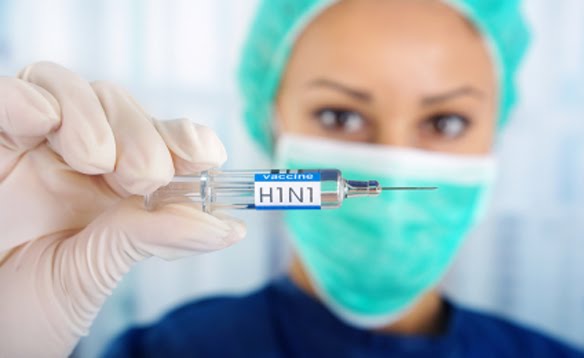
We're in the thick of flu season and you've probably been inundated with warnings to receive immunizations against both seasonal flu and H1N1. The H1N1 vaccine has particularly been under fire as many ordinary citizens, for various reasons, seem to lack the confidence in this particular vaccine. Whether or not those concerns are warranted is a tough question to answer if we want to truly consider all sides of the issue. I won't do that here.
Nonetheless, in any health intervention of this magnitude, things are going to go wrong from time to time. Just this morning,
physicians in Canada were warned not to use vaccines from one particular batch due to an unexpected level of harmful reactions.
Whether or not you have received the vaccinations, is there anything else you can do? Can the food you eat influence your susceptibility to the flu or your reaction to infection? The answer is:
absolutely yes!I came across this piece in the
Wall Street Journal that deserves a read. To quote from the article:
To create immune cells to fight off a specific infection, the body has to rapidly draw nutrients from the bloodstream, says Anuraj Shankar, a researcher at the Harvard School of Public Health. "If you don't have an adequate intake of vitamins and minerals, you won't be able to produce the number of immune cells you need, and the immune cells you do produce may be compromised," Dr. Shankar says. That makes it impossible to mount an effective response to infection, he says.Every cell in your body depends on an adequate fuel supply. Just as your car will sputter, clank and whine if you poured ketchup into the tank, your body will sputter along if you give it lousy fuel. While supplements can be useful, they don't come close to providing the benefits of a "real food" diet. So don't look for protection from a bottle of vitamin C or zinc. Vegetables & fruits will provide thousands of other compounds that you just won't find in a bottle of pills.

There is no doubt that vaccines, in general, have provided protection to many people over the years. Even anti-vaccine advocates will have to admit that. But remember that an effective vaccine is meant to
help your immune system, not build it up.
Imagine an old time gladiator; an elegant warrior with brute strength and scary skills. That is your immune system. Vaccines, at their best, are like the guys that sharpen the sword and strap on the armor of the soldier. They do not replace the soldier... they just enhance his weapons.
Getting vaccinated, then turning around and feasting on Big Macs... is outrageous. Eat well this season.
 Summer is over. Fall is winding down and we're staring into winter. If you've not already done so, please go out and buy a vitamin D supplement. It's usually not appropriate to make blanket statements regarding supplement use. After all, supplement programs should be tailored to an individual's unique needs. However, vitamin D is one exception. Everyone who lives in Washington D.C., San Francisco or anywhere north of these cities absolutely must supplement with vitamin D between October and March.